Decentralized Oracle Network: What It Is and Why It Powers Crypto Apps
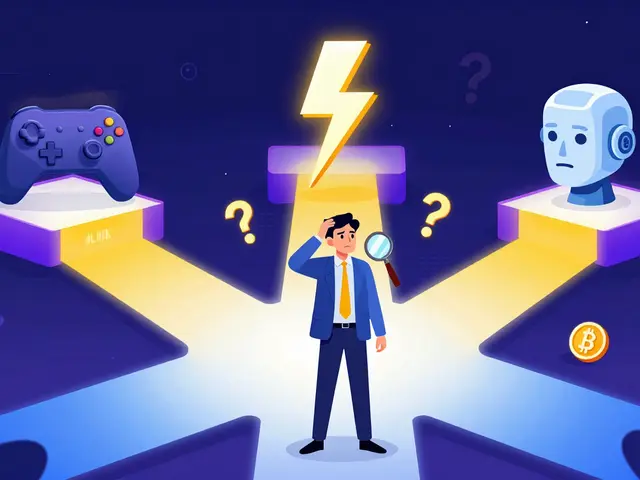
When you use a DeFi app that pays interest based on the price of Bitcoin, or bets on a football match outcome, it doesn’t magically know what’s happening outside the blockchain. That’s where a decentralized oracle network, a secure system that connects blockchains to real-world data without trusting a single source. Also known as blockchain oracle, it acts like a trusted bridge between on-chain smart contracts and off-chain events like stock prices, weather, or sports results. Without it, smart contracts would be stuck in a vacuum—unable to react to anything happening in the real world.
Think of it this way: if a smart contract is an automated vending machine, the decentralized oracle network is the delivery truck that brings the snacks. But instead of one truck controlled by one company, it’s a fleet of independent drivers, each checking the same data from different sources. If 8 out of 10 drivers say Bitcoin is at $60,000, the system accepts that as truth. This avoids manipulation—no single company, server, or hacker can lie and break your contract. That’s why projects like Chainlink, the most widely used decentralized oracle network, providing data to over 1,000 blockchain applications are so critical. It’s not just about price feeds. Oracles power insurance payouts after storms, loan collateral checks, and even election results on-chain. The smart contract, a self-executing program on a blockchain that runs when conditions are met can’t function without reliable input. And that’s where the decentralized oracle network shines—by making data trustworthy without needing a central authority.
You’ll find this theme across the posts below. Some cover tokens built on top of oracle networks, like yield-generating stablecoins that need real-time price data to stay pegged. Others expose risky meme coins that pretend to use AI or real-world data but have no actual oracle integration. There are also deep dives into DeFi protocols that rely on accurate data feeds to avoid collapse when markets swing. Whether you’re checking if a token is backed by real assets or trying to understand why a DeFi platform failed, the decentralized oracle network is often the hidden piece holding it all together—or breaking it apart.
What Are Blockchain Oracles? The Essential Guide to External Data for Smart Contracts
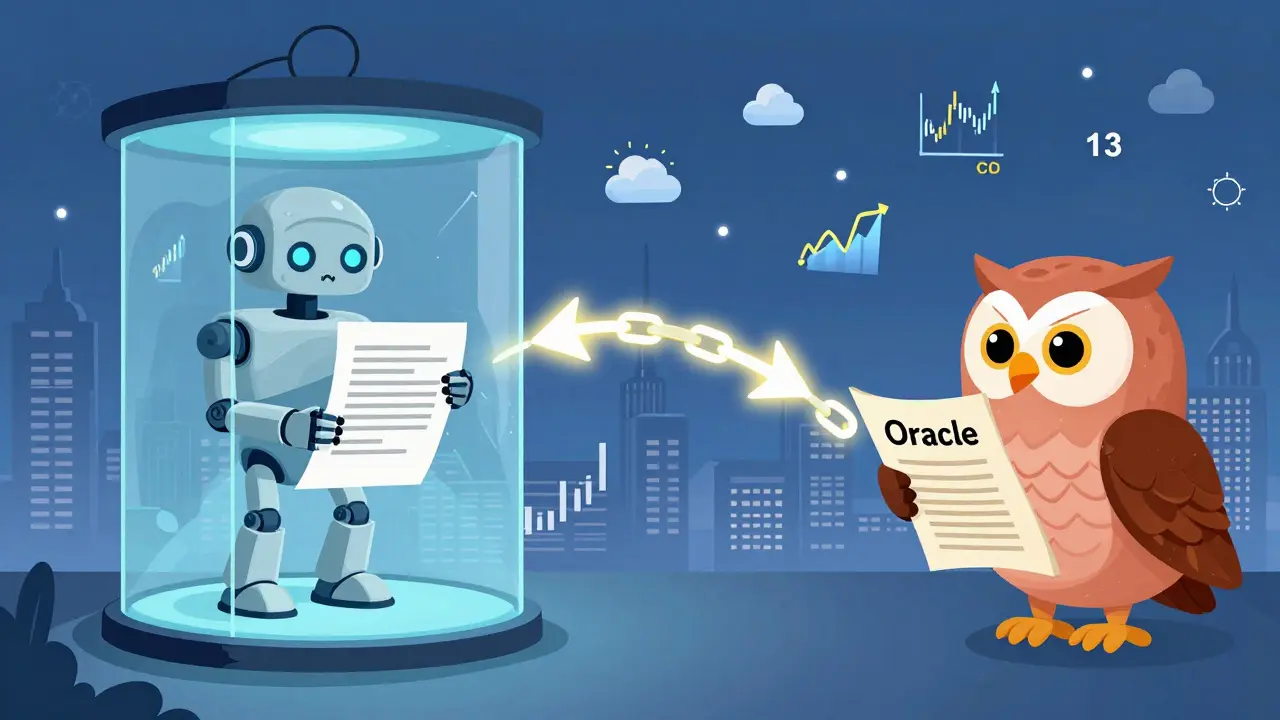
Blockchain oracles connect smart contracts to real-world data like prices, weather, and flight status. Without them, blockchains can't interact with outside systems. Learn how they work, why they matter, and what risks they carry.
Top News
-
What is CoTrader (COT)? A Deep Dive into the COT Token 7.04.2026

-
CRMClick Crypto Exchange Review: Is it Safe to Trade Here? 4.04.2026

-
VPN Detection Risks for Crypto Traders in Iran: How to Stay Safe 8.04.2026

-
Bitcoin in El Salvador: The Shift from Legal Tender to Voluntary Use 9.04.2026

-
What is BLink (BLINK) Crypto Coin? Clearing Up the Confusion 10.04.2026