DUSD Yield: What It Is, How It Works, and Where to Find Real Returns
When you hear DUSD yield, a yield-generating strategy tied to the decentralized stablecoin DUSD, often used in DeFi protocols to earn passive income without relying on centralized banks. Also known as DeFi-stablecoin yield, it’s one of the few ways to earn returns in crypto without betting on wild price swings. Unlike USDT or USDC, which are backed by cash reserves, DUSD is minted and maintained by smart contracts on the Harmony blockchain, using collateral like ETH or BTC. That makes its yield different — less about interest rates and more about protocol incentives, liquidity mining, and how well the system holds its peg.
DUSD yield isn’t just one thing. It shows up in places like DeFi protocols, decentralized finance platforms that let users lend, borrow, or stake crypto without intermediaries such as Harmony’s native staking pools or third-party vaults that auto-compound your DUSD. But here’s the catch: not all DUSD yield is safe. Some platforms promise 20% APY by locking your coins in poorly audited contracts. Others are just rebranding old meme token scams. Real DUSD yield comes from transparent, on-chain systems with clear collateral rules and active community oversight — the kind you’ll find in projects that actually track their TVL and have public audits.
What connects most of the posts you’ll see below is this: people are chasing yield, but they’re not always checking the basics. You’ll find guides on decentralized stablecoins, stablecoins built on blockchain with no central issuer, relying on over-collateralization and algorithmic mechanisms to maintain value like sUSD and DUSD, how they differ from centralized ones, and why some collapse when their backing assets crash. You’ll also see real breakdowns of platforms like Katana and Paradex — not because they’re exchanges, but because they’re where DUSD and similar tokens actually move and earn. These aren’t hype-driven airdrops. They’re functional DeFi tools that let you earn without giving up control.
If you’re looking for DUSD yield, you need to know where the real liquidity is. That means looking beyond TikTok influencers and Telegram groups. It means checking on-chain data, understanding collateral ratios, and knowing which protocols have survived multiple market cycles. The posts here don’t sugarcoat anything. They show you what’s actually working, what’s dead, and what’s just a flashy name with no substance. No fluff. No promises of overnight riches. Just facts about where DUSD yield comes from — and where it vanishes.
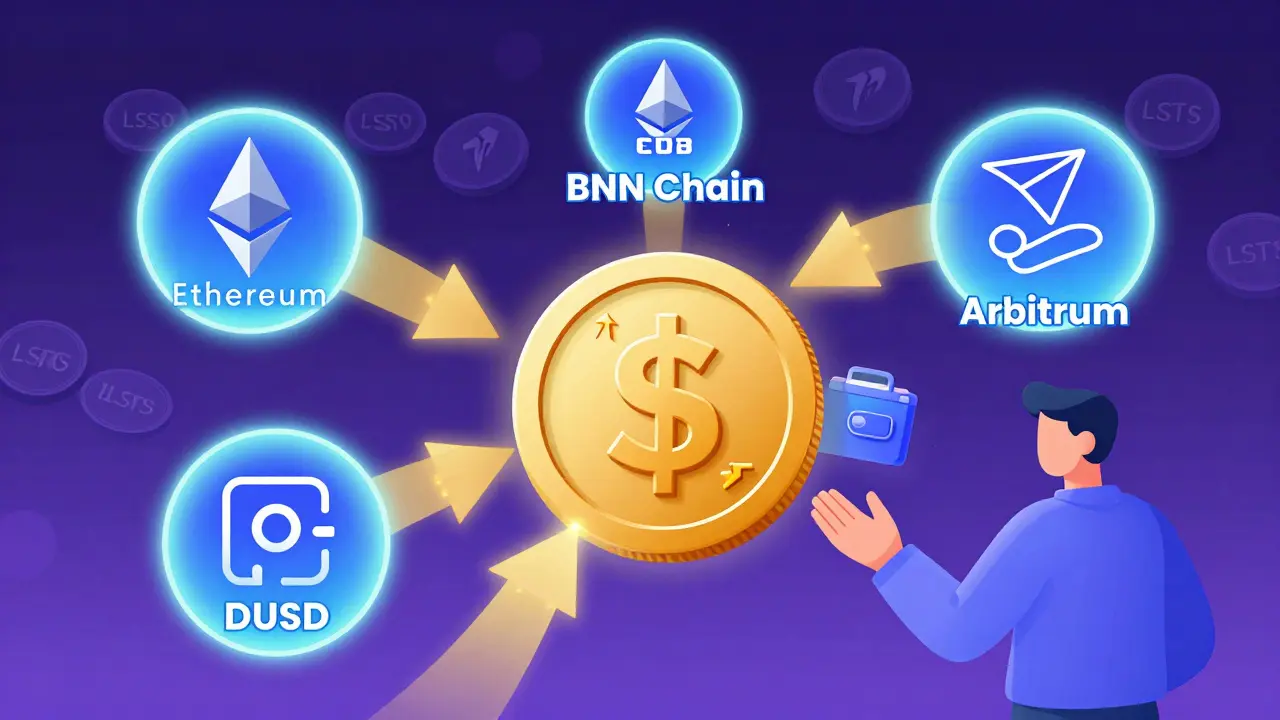
What is Davos.xyz USD (DUSD) Crypto Coin? A Clear Breakdown of the Yield-Paying Stablecoin
DUSD is a decentralized, yield-generating stablecoin backed by crypto assets like stETH and LRTs. It moves across 5 blockchains and pays users to hold it, but its small market cap and opaque collateral make it risky for savings. Best for cross-chain swaps, not long-term storage.
Top News
-
What is CoTrader (COT)? A Deep Dive into the COT Token 7.04.2026

-
Understanding PVARA: Crypto Regulations & Restrictions in Pakistan 1.04.2026

-
What is BLink (BLINK) Crypto Coin? Clearing Up the Confusion 10.04.2026

-
Bitcoin in El Salvador: The Shift from Legal Tender to Voluntary Use 9.04.2026

-
VPN Detection Risks for Crypto Traders in Iran: How to Stay Safe 8.04.2026