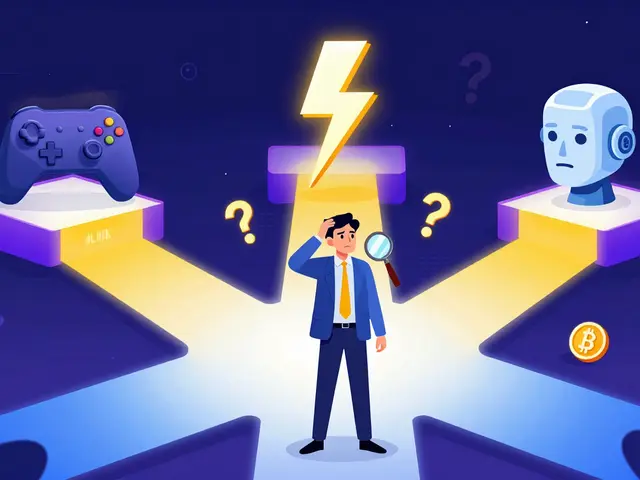
Oracle Problem in Blockchain: Why Smart Contracts Need Reliable Data
When a smart contract, a self-executing program on a blockchain that runs when conditions are met. Also known as on-chain logic, it can’t see outside its own network. This is the heart of the oracle problem, the challenge of getting trustworthy real-world data into blockchains. Without it, smart contracts can’t know if a stock price moved, if a flight was delayed, or if a loan was repaid—making DeFi, insurance, and prediction markets nearly useless.
Blockchains like Ethereum are isolated systems. They don’t have access to weather reports, sports scores, or exchange rates. So developers built blockchain oracles, external services that fetch off-chain data and feed it into smart contracts. But here’s the catch: if the oracle is hacked, lies, or goes offline, the whole contract fails. You could lose money on a DeFi loan because the price feed was manipulated. Or your insurance payout might never trigger because the oracle didn’t report the hurricane correctly. That’s not theoretical—it’s happened. In 2020, a single compromised oracle caused over $100 million in losses across multiple protocols. And while some projects claim to use "decentralized oracles," many still rely on just a few data sources. True decentralization means no single point of failure, but most oracles today are just as centralized as the banks they’re trying to replace.
The oracle problem isn’t just a tech issue—it’s a trust issue. If you’re using a DeFi protocol that pays yield based on real-world asset prices, you’re betting on the accuracy of an external system. And if that system is controlled by one company, or even a small group of nodes, you’re not really in control. That’s why the best solutions now combine multiple data feeds, on-chain verification, and economic incentives to punish bad actors. Projects like Chainlink and Band Protocol try to solve this, but even they have limits. The real fix? More transparency, more competition, and more accountability. Until then, every time you interact with a smart contract that needs live data, ask: who’s feeding it the truth?
Below, you’ll find real examples of how the oracle problem shows up in crypto projects—some with dangerous gaps, others quietly building better systems. From memecoins tied to fake price feeds to stablecoins relying on opaque collateral, the data source matters more than you think. These aren’t just technical deep dives. They’re survival guides for anyone holding crypto that depends on the outside world.
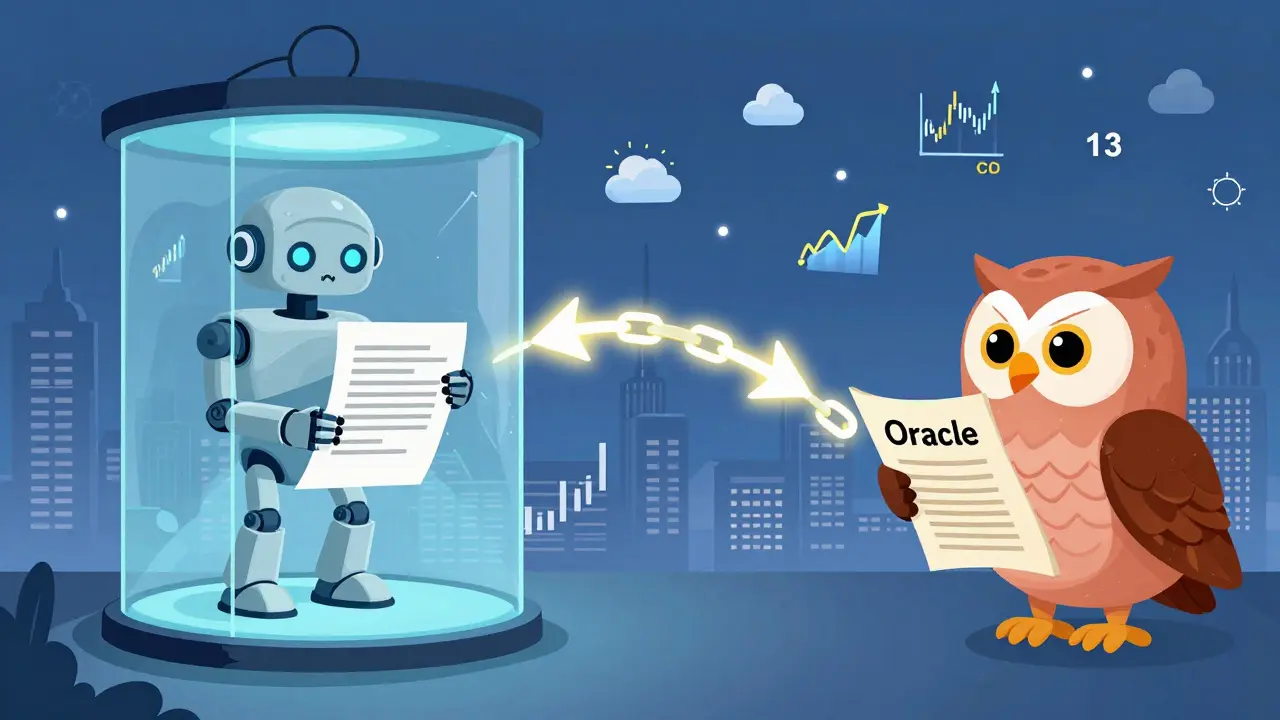
What Are Blockchain Oracles? The Essential Guide to External Data for Smart Contracts
Blockchain oracles connect smart contracts to real-world data like prices, weather, and flight status. Without them, blockchains can't interact with outside systems. Learn how they work, why they matter, and what risks they carry.
Top News
-
Bitcoin in El Salvador: The Shift from Legal Tender to Voluntary Use 9.04.2026

-
CRMClick Crypto Exchange Review: Is it Safe to Trade Here? 4.04.2026

-
VPN Detection Risks for Crypto Traders in Iran: How to Stay Safe 8.04.2026

-
What is CoTrader (COT)? A Deep Dive into the COT Token 7.04.2026

-
What is BLink (BLINK) Crypto Coin? Clearing Up the Confusion 10.04.2026