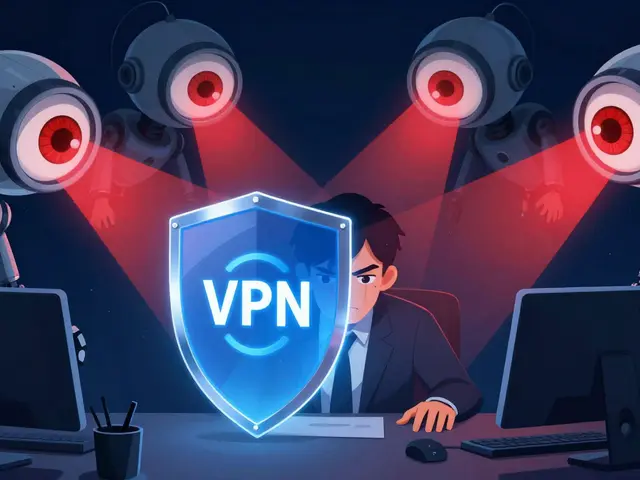
Regulated Crypto Exchange: What It Is and Why It Matters
A regulated crypto exchange, a digital platform for buying and selling cryptocurrency that operates under government oversight. Also known as a licensed cryptocurrency exchange, it must follow anti-money laundering rules, verify user identities, and keep financial records—unlike unregulated platforms that vanish overnight. If you’ve ever heard of JPEX or seen headlines about Hong Kong crypto fraud, you know what happens when exchanges skip these rules. Regulated ones don’t promise 1000% returns. They don’t hide who runs them. They don’t let you deposit without ID. That’s not boring—it’s safety.
What makes a regulated crypto exchange, a digital platform for buying and selling cryptocurrency that operates under government oversight. Also known as a licensed cryptocurrency exchange, it must follow anti-money laundering rules, verify user identities, and keep financial records—unlike unregulated platforms that vanish overnight. stand out? First, it’s registered with a real financial authority—like the SEC in the U.S., the FCA in the UK, or Vietnam’s new pilot program. Second, it stores most user funds in cold wallets, not risky DeFi pools. Third, it publishes regular audits. You won’t find this on Jiamix or AUX Exchange, where transparency is thin. Look at JPEX: it had no license, no clear ownership, and now thousands are out millions. A regulated exchange doesn’t just say "we’re secure"—it proves it with paperwork, not marketing.
Regulation isn’t about slowing you down—it’s about keeping your money from disappearing. Countries like Vietnam and India are now building clear rules, not bans. That means if you’re trading on a platform that’s legally allowed to operate in your country, you have legal recourse if something goes wrong. Unregulated exchanges? You’re on your own. That’s why the best guides here focus on exchanges with real licenses, not hype. You’ll find reviews of Jiamix, JPEX, AUX, and others—not to sell you on them, but to show you what to avoid. The difference between a regulated and unregulated exchange isn’t technical. It’s trust. And trust? It’s not something you guess at. It’s something you verify.
Below, you’ll find real reviews of exchanges that either passed or failed the test of regulation. Some are licensed. Some are scams. Some are in legal gray zones. We don’t sugarcoat it. We show you the facts: who’s reporting to authorities, who’s hiding behind anonymous teams, and who’s actually keeping your crypto safe. No fluff. No promises. Just what you need to know before you click "deposit".
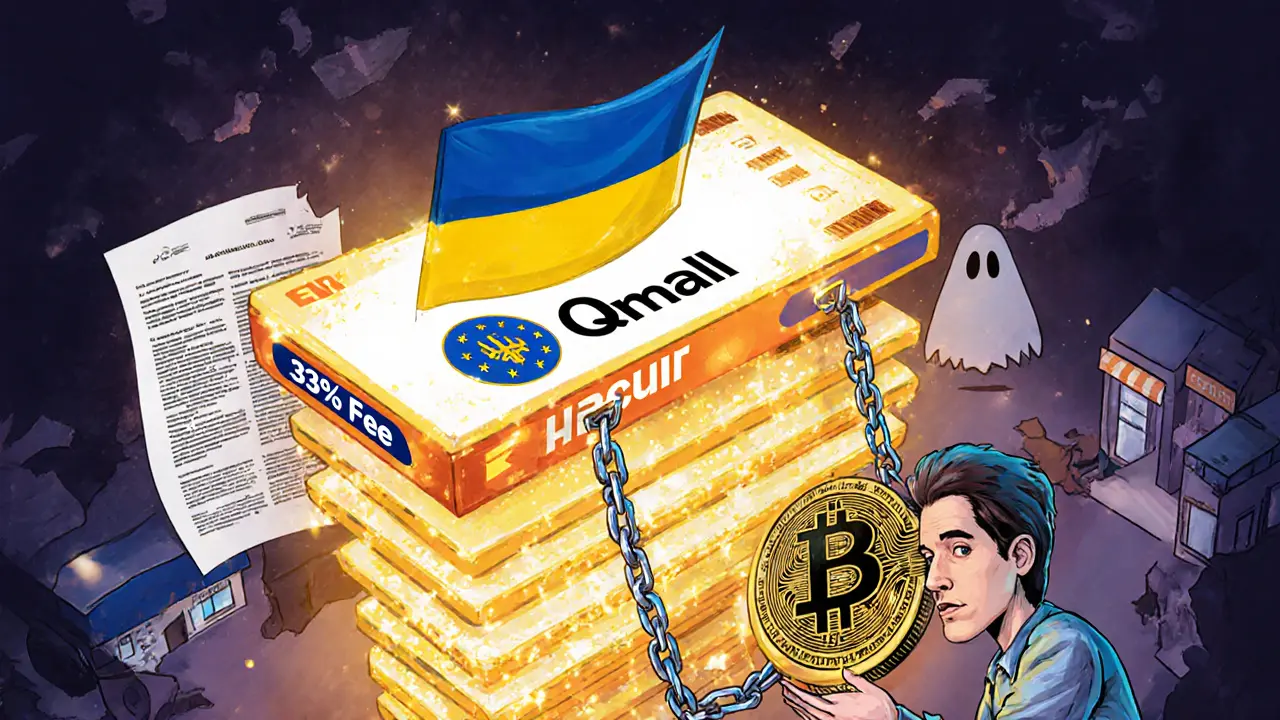
Qmall Exchange Crypto Exchange Review: Regulated or Risky in 2025?
Qmall Exchange claims zero fees and EU regulation, but investigations reveal hidden charges, unverified licenses, and no real trading volume. Avoid this risky platform in 2025.
Top News
-
What is CoTrader (COT)? A Deep Dive into the COT Token 7.04.2026

-
Understanding PVARA: Crypto Regulations & Restrictions in Pakistan 1.04.2026
-
What is BLink (BLINK) Crypto Coin? Clearing Up the Confusion 10.04.2026

-
CRMClick Crypto Exchange Review: Is it Safe to Trade Here? 4.04.2026
-
VPN Detection Risks for Crypto Traders in Iran: How to Stay Safe 8.04.2026