2025 October Crypto Archive: Airdrops, Exchanges, and Regulations
When it comes to crypto airdrop, free token distributions tied to specific actions or wallet eligibility. Also known as crypto giveaways, they’re one of the most popular ways new projects attract users — but not all are real. In October 2025, we dug into claims from Shield DAO, KCCPAD, Cryptopolis, and Zombie World Z, revealing which ones had working claim systems and which were just marketing noise. These weren’t just random drops — each tied to deeper trends in DeFi, decentralized financial systems built on blockchains like Solana and Arbitrum that let users trade, lend, and earn without banks. Also known as blockchain finance, DeFi tools like Jupiter (JUP) and Arbitrove (TROVE) became central to how people interact with crypto — not as investors alone, but as active participants in protocol governance and liquidity provision.
At the same time, crypto exchange, platforms where users buy, sell, or trade digital assets. Also known as crypto trading platforms, they faced intense scrutiny this month. Qmall Exchange promised zero fees and EU regulation — but turned out to be a ghost with fake licenses. Jiamix and AUX were analyzed for real trading volume and security. Meanwhile, JPEX’s legal fallout from Hong Kong echoed globally, reminding users that exchange safety isn’t about flashy UIs — it’s about transparency, audits, and legal standing. These reviews weren’t opinion pieces — they were forensic breakdowns of what’s actually happening behind the login screen.
And then there’s the legal side. crypto regulation, government rules that determine how crypto can be used, taxed, or banned. Also known as digital asset laws, they shaped October’s biggest stories. Vietnam launched the world’s first legal crypto pilot program, letting traders operate under clear rules until 2030. Kuwait went the opposite way — banning everything outright. In the U.S., the IRS dropped Form 1099-DA, forcing people to track every crypto gift and inheritance. Russia updated its tax rates, and India clarified what payments are allowed. These aren’t distant policies — they directly affect your wallet, your taxes, and your ability to move crypto across borders.
This archive isn’t a random list of posts. It’s a snapshot of what mattered in October 2025: real airdrops you could still claim, exchanges you should avoid, and regulations you can’t ignore. Whether you’re holding meme coins like FOUR or NYAN, staking LUNC after the Terra collapse, or trying to understand ERC-2981 royalties for NFTs — you’ll find straight answers here. No fluff. No hype. Just what you need to know before you next click ‘connect wallet’.
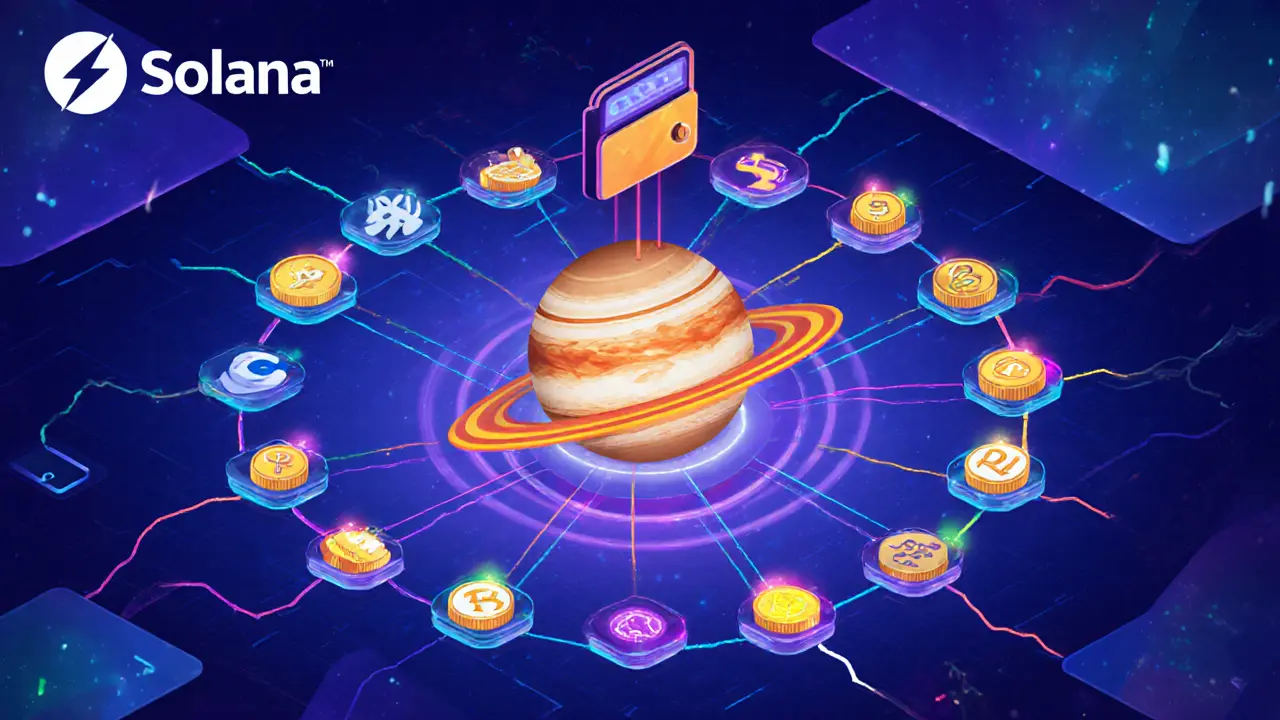
What is Jupiter (JUP) Crypto Coin? The Solana DeFi Aggregator Explained
Jupiter (JUP) is the leading DeFi aggregator on Solana, offering fast swaps, perps trading, and liquidity pools. With a $1.35B market cap and community-driven governance, it's the backbone of Solana's decentralized finance ecosystem.
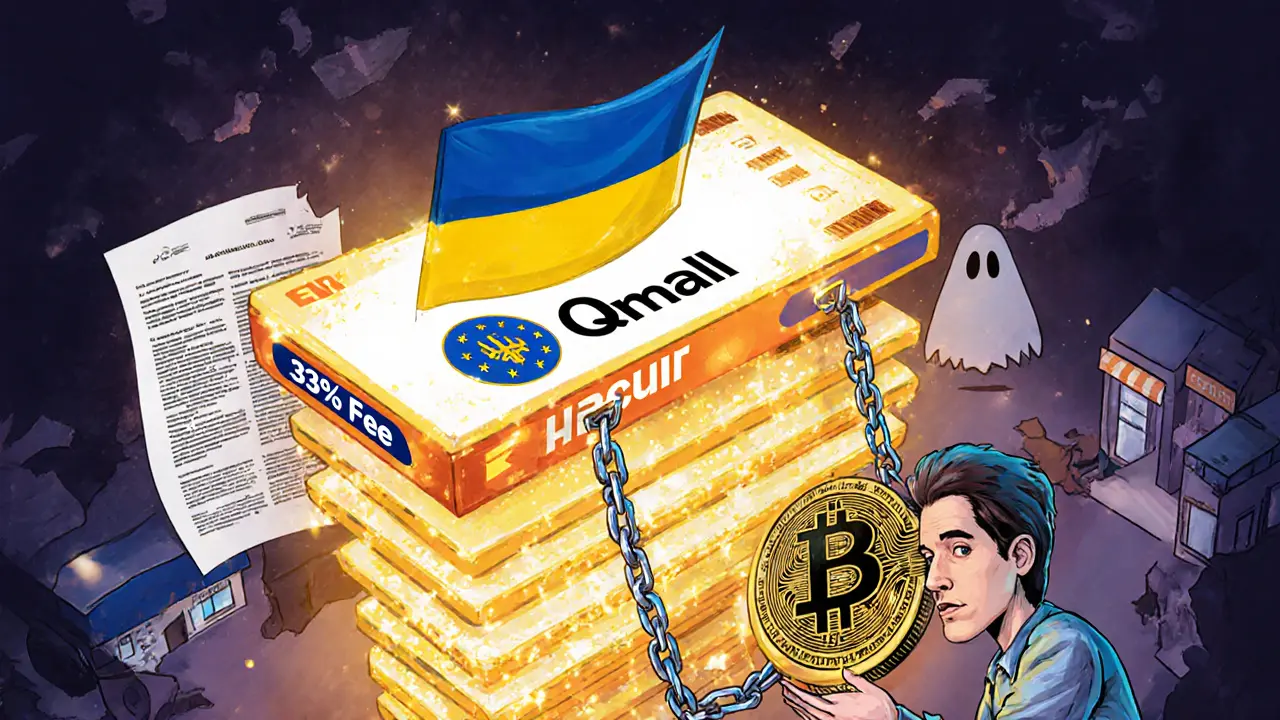
Qmall Exchange Crypto Exchange Review: Regulated or Risky in 2025?
Qmall Exchange claims zero fees and EU regulation, but investigations reveal hidden charges, unverified licenses, and no real trading volume. Avoid this risky platform in 2025.

Crypto Gift and Inheritance Reporting: What You Need to Know in 2025
Starting in 2025, crypto gifts and inheritances must be reported to the IRS. Learn how Form 1099-DA, wallet-by-wallet accounting, and estate planning rules affect your crypto transfers - and what happens if you don't comply.
Vietnam's Pilot Crypto Program 2025-2030: What You Need to Know
Vietnam launched the world's first legal crypto pilot program in 2025, allowing regulated trading until 2030. Here's what's allowed, what's banned, and how it affects traders and investors.

NFT Marketplace Royalty Policies: How Creators Get Paid After the Sale
NFT royalties let creators earn from secondary sales, but not all marketplaces pay them. Learn how ERC-2981 works, why platforms like Blur ignore royalties, and what’s being done to fix it in 2025.

FourCoin (FOUR) Explained: What Is This Meme Crypto Coin?
FourCoin (FOUR) is a meme crypto built on Ethereum. Learn its tokenomics, market data, risks, and how to trade it in this detailed guide.

Shield DAO (SLD) Airdrop Details: How to Claim, Eligibility & Tokenomics
A deep dive into the Shield DAO (SLD) airdrop: eligibility, claim steps, tokenomics, and how it stacks up against newer DeFi drops.
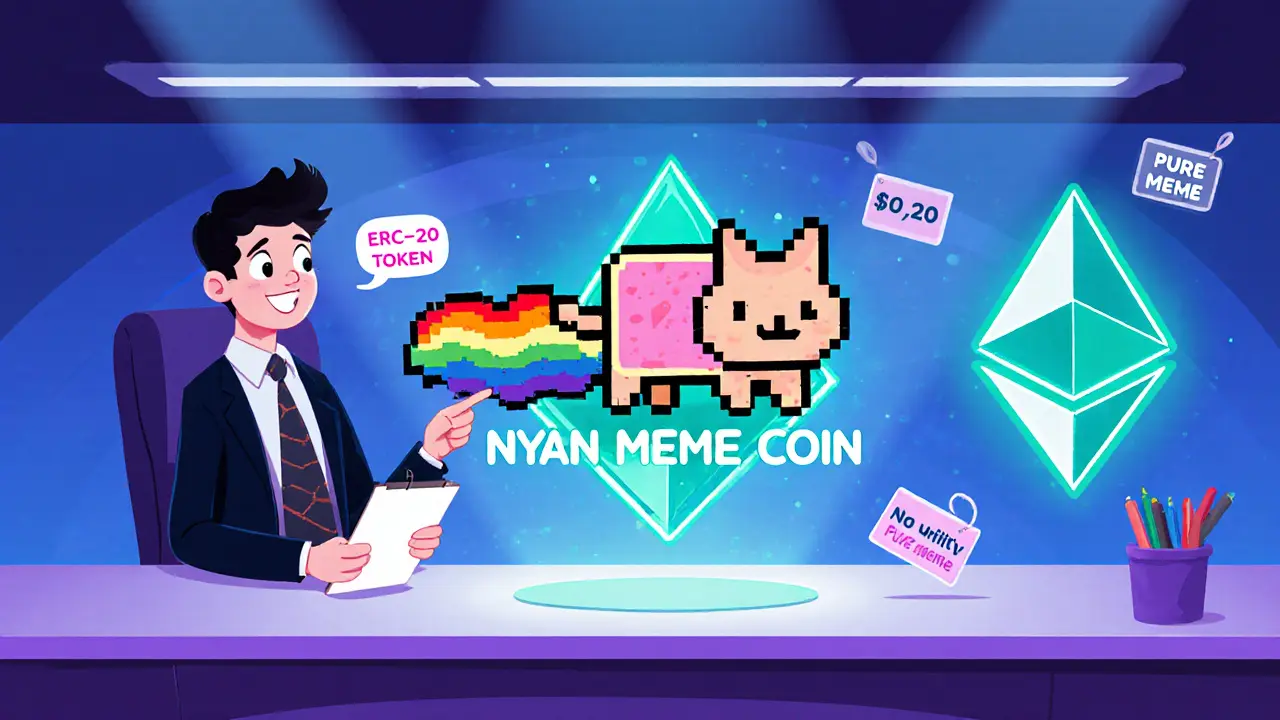
What is NYAN Meme Coin (NYAN) Crypto Coin? Explained
Learn what NYAN Meme Coin (NYAN) is, its specs, market data, risks, and how to trade it safely in plain English.

ACSI Finance Review: Is This DeFi Exchange Worth Your Crypto?
A concise review of ACSI Finance, covering its DeFi services, security gaps, fee opacity, and how it compares to major exchanges. Practical tips help you decide if it's safe to use.
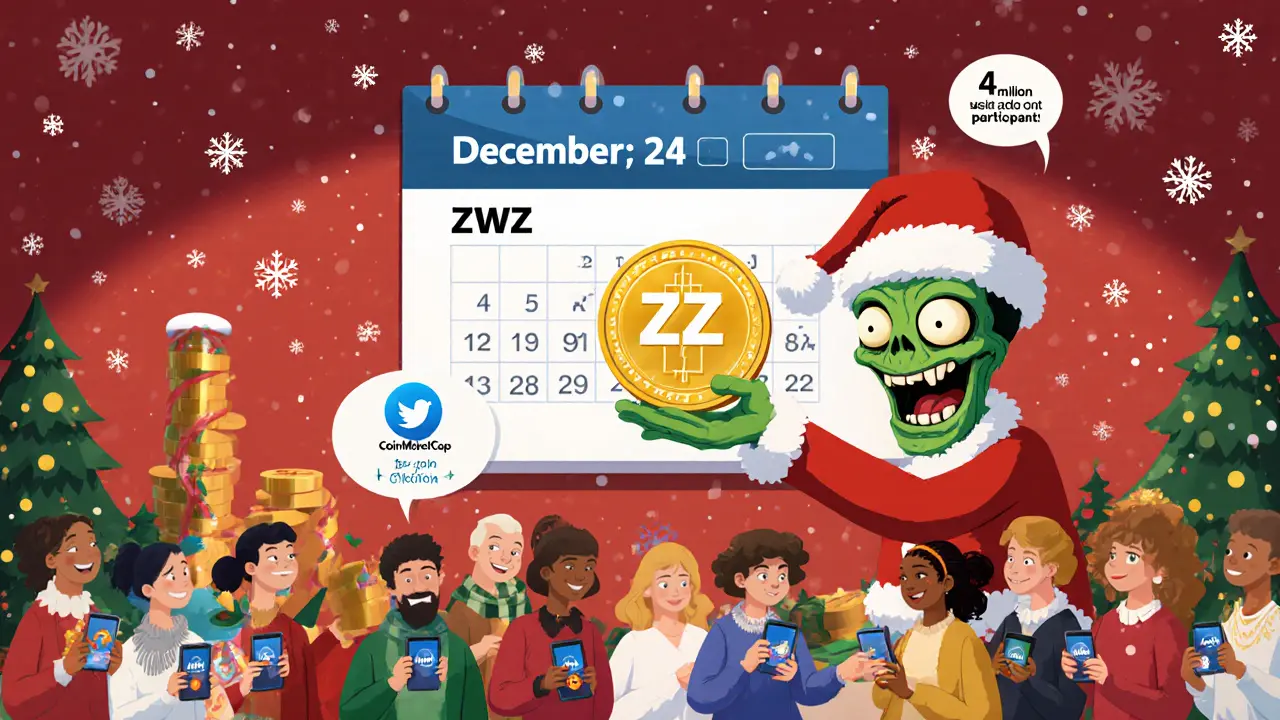
Zombie World Z (ZWZ) Airdrop Details & What You Need to Know
Detailed breakdown of the Zombie World Z (ZWZ) airdrop, token mechanics, market status, and why caution is advised when considering ZWZ now.
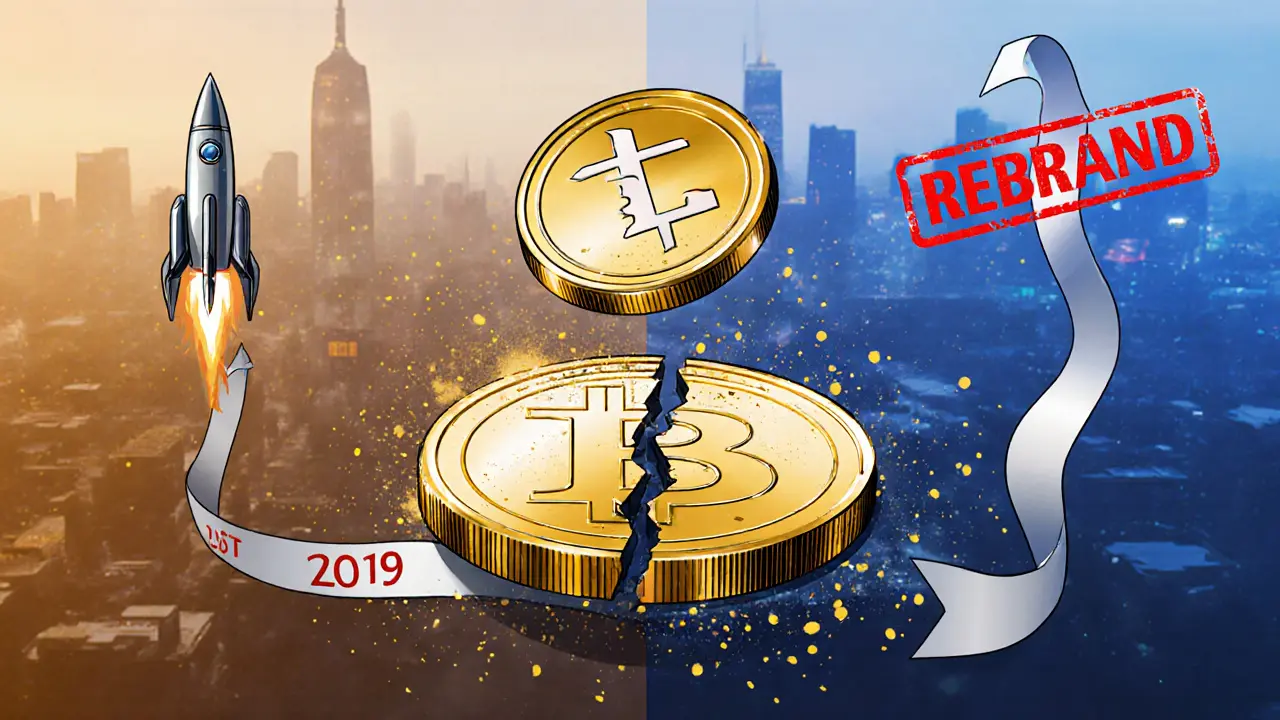
Terra Classic (LUNC) Explained: History, Tech, and Investment Risks
Terra Classic (LUNC) is the legacy token of the original Terra blockchain. Learn its history, tech, staking, token burns, and why it's considered a high‑risk investment.
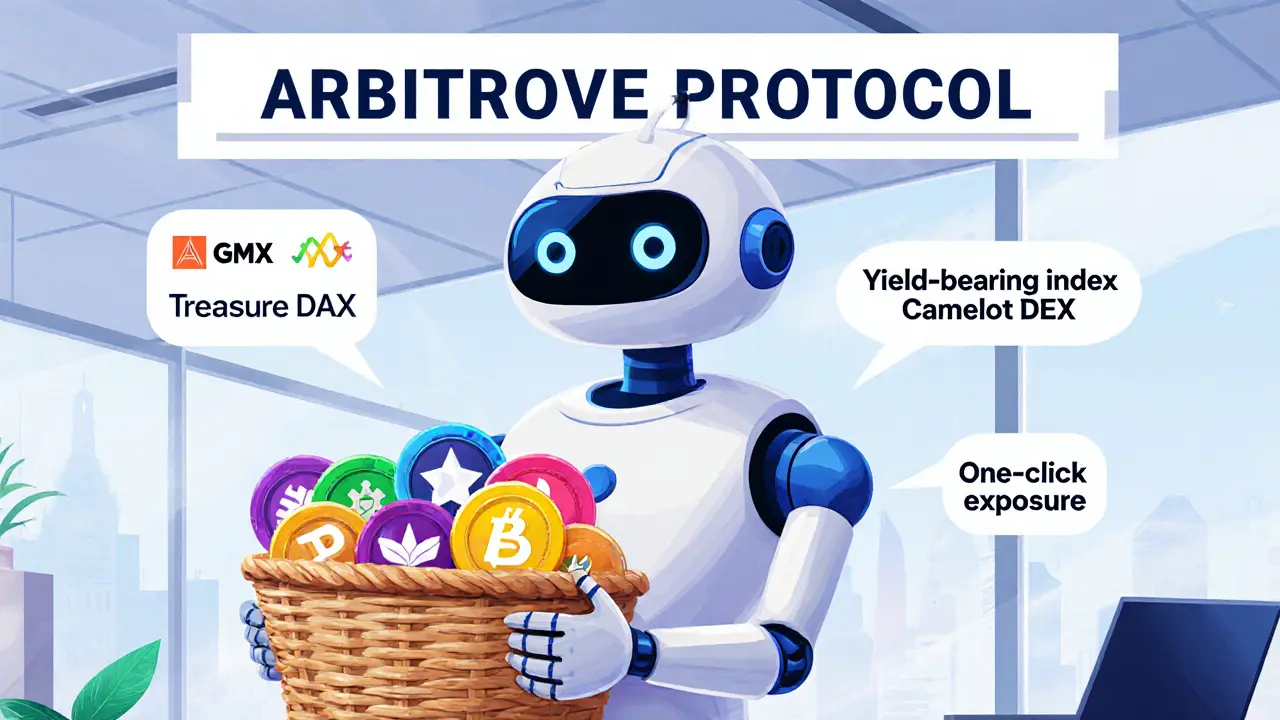
Arbitrove Protocol (TROVE) Explained: What It Is and How It Works
Discover what Arbitrove Protocol and its TROVE token are, how they function on Arbitrum, tokenomics, market performance, and key risks for investors.
Top News
-
VPN Detection Risks for Crypto Traders in Iran: How to Stay Safe 8.04.2026

-
What is BLink (BLINK) Crypto Coin? Clearing Up the Confusion 10.04.2026

-
What is CoTrader (COT)? A Deep Dive into the COT Token 7.04.2026

-
Bitcoin in El Salvador: The Shift from Legal Tender to Voluntary Use 9.04.2026

-
Understanding PVARA: Crypto Regulations & Restrictions in Pakistan 1.04.2026